1902
Charlotte’s YWCA is established by Mrs. W.S. Liddell, Mrs. W.O. Nisbett and Mrs. F.C. Abbott. Leaders in the women’s suffrage movement, all three women serve as president until 1920.
1909
YWCA’s first mission is to meet the needs of women who move into the city to work in textile mills. YWCA’s location on West Fifth Street provides housing for 12 women and includes recreational and educational programs. By 1911, classes develop into a night school.
1914
YWCA moves to East Trade Street. Further opportunities are created for women to learn about law, city government, banking, nursing and sales. Later, an employment bureau for women is established.
1917
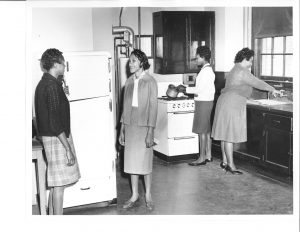
YWCA creates the Business Women’s Employment Council to assist women in their work efforts during WWI. YWCA opens Charlotte’s first childcare center at Highland Park Mill. The Phyllis Wheatly Branch of the YWCA is established for African American women and girls and is one of the first YWCA branches for African Americans in the U.S.
1922
YWCA’s first swimming pool was built at the East Trade Street facility.
1930s
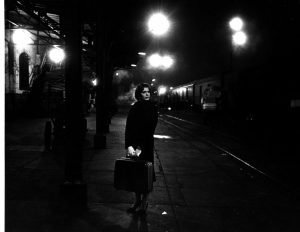
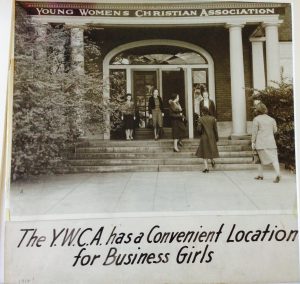
In light of the Great Depression, YWCA offers unemployment counseling, a job bank and areas where women can practice typing.
1940s
After WWII, YWCA arranges for vocational counseling and employment fairs for women who might become unemployed.
1964
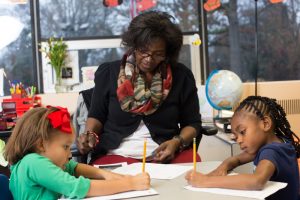
After school and summer enrichment programs are established for children whose families receive public assistance. Efforts are made to include additional federally funded childcare. The Phyllis Wheatly Branch merges with the general YWCA.
1965
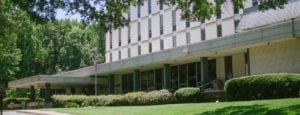
Our new de-segregated campus opens at 3420 Park Road and includes: housing for 66 women, a kitchen, indoor pool, exercise and meeting areas, lighted tennis courts and corporate offices.
1977
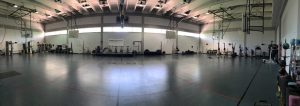
A full-size gymnasium is added to the YWCA’s exercise facility.
1996
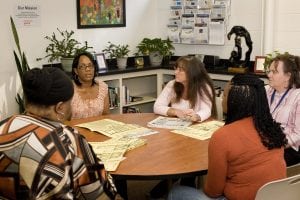
The Women in Transition (WIT) program is transformed with the addition of assessment, supportive services, workshops and a computer resource center.
2000
Built in 1965, our Park Road campus, fitness center and administrative offices are renovated and updated for a new era.
2002
YWCA Central Carolinas celebrates its 100th Anniversary!
2008
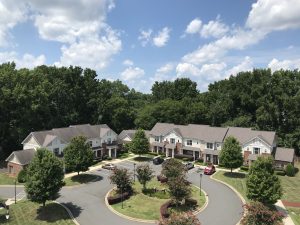
Families Together is built! A 10 town-home community on our Park Road campus for homeless families with children under the age of 18.
2018
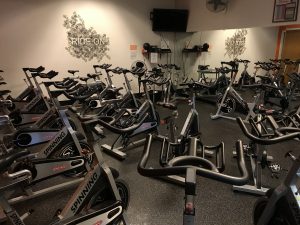
A Fresh New Look! Exceeding our $1.1 mil capital campaign goal, YWCA completely renovates the Co-ed Fitness Center locker rooms (showers, lockers, saunas and changing areas) PLUS purchases new spin and cardio gym equipment and chemically cleans and re-grouts the pool.